

REGULATORY COMPLIANCE
Complying with regulations for Low-Tech Process Based Restoration projects (LTPBRs) involves securing federal Clean Water Act permits (Section 404/401) for placing fill material in waterways and obtaining state-specific hydraulic or environmental permits. Compliance requires adhering to specific design standards, such as using natural materials and limiting height to “bank-full” level, with approval often streamlined through state-level restoration exemptions or local, watershed-level, partnerships. OSRP has the expertise in our contractor and volunteer corps to help landowners navigate these challenges.
KEY REGLUATORY AND COMPLIANCE STEPS
Federal Permits
-
Most LTPBR projects require a permit from the U.S. Army Corps of Engineers (USACE) for placing fill in a stream or wetland. Projects often fall under Nationwide Permit 27 (Aquatic Habitat Restoration).
State and Local Permits
-
Consult state environmental or natural resource departments for hydraulic project approvals. This may include state Water Pollution Control Act permits or local Shoreline Management Acts.Design Standards
-
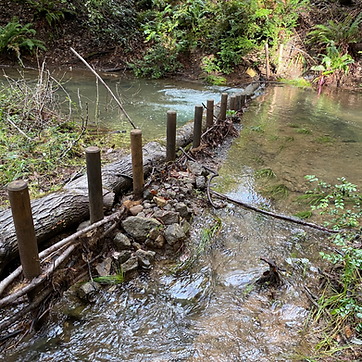
To ensure compliance, BDAs must often be hand-built using natural, onsite materials (willow, juniper, mud, rocks) rather than permanent structures. Designs usually involve a 45-degree ramp on the upstream side to slow water velocity and minimize bank erosion.
Key ConsiderationS
-
“Bank-full” Height: LTPBRs should generally not exceed “bank-full” height to avoid unintended flooding, unless permitted otherwise.
-
Fish Passage: Designs must often accommodate fish passage to avoid violating state fish passage laws, and in some areas, specialized streamlined approvals for restoration exist.
-
Stewardship & Maintenance: Proactive maintenance and adaptive management plans are often required to manage risks of damage to infrastructure.
To ensure compliance, it is crucial to consult with local watershed councils or soil and water conservation districts, which often act as intermediaries to navigate the permitting process.
For more technical guidance on planning, building, and maintaining these, you can refer to the Beaver Dam Analog Installation & Maintenance guide, the U.S. Forest Service report on Using Beaver Dam Analogues for Fish and Wildlife Recovery, and the National Park Service article on the subject.